
The Real Cost of a New Roof: Comparing Shingle, Metal, and Tile Pricing
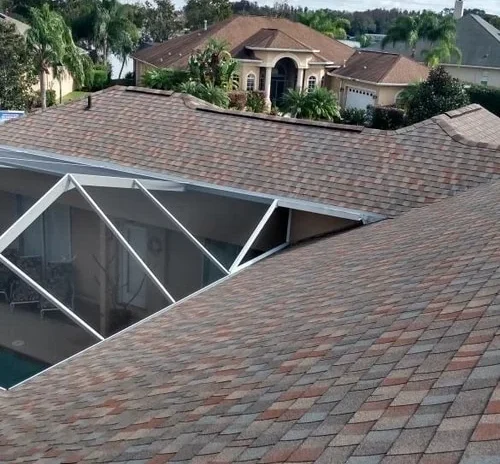
Comparing Shingle, Metal, and Tile Roof Costs in Land O’ Lakes, FL
Breaking Down Material and Installation Expenses
Understanding What Drives Pricing Differences
When homeowners across Land O’ Lakes and the greater Tampa Bay region begin planning a roof replacement, the range of pricing options can feel overwhelming. Understanding what drives the cost differences between asphalt shingles, metal panels, and concrete or clay tile systems requires looking beyond the sticker price of materials alone.
Several foundational factors shape the total investment required for each roofing type. Material costs form the baseline, but labor intensity varies significantly depending on whether crews are laying three-tab shingles or securing interlocking metal panels that demand precise alignment. Installation complexity directly affects the number of workdays required, which translates to labor expenses that can double or triple between the simplest and most intricate systems.
Lifespan expectations fundamentally alter the cost-per-year equation. A shingle roof may need replacement in 15 to 25 years, while a properly installed metal roof can last 40 to 50 years, and tile systems often exceed 50 years when maintained correctly. Florida’s climate introduces additional variables that homeowners must weigh carefully. The relentless humidity, intense UV exposure during our long summers, and the ever-present threat of hurricane-force winds during storm season all accelerate material degradation at different rates.
Shingles absorb heat and can suffer from algae growth in our humid conditions, requiring periodic roof repair services to address lifted or damaged tabs. Metal roofing reflects solar radiation effectively, reducing cooling loads and standing up well to wind-driven rain, but requires specialized installers who understand thermal expansion. Tile systems offer exceptional durability against Florida’s weather extremes but add substantial weight that may require structural reinforcement, particularly in older homes not originally designed for tile loads.
Insurance considerations also factor into the true cost analysis. Some metal and tile roofing systems qualify for wind mitigation credits that can reduce annual premiums by hundreds of dollars, offsetting higher upfront costs over time. Similarly, the need for future repairs varies dramatically. Shingles may require more frequent maintenance visits, while metal roofs typically need only periodic inspections, and tile roofs may demand individual tile replacement after severe storms but otherwise remain largely maintenance-free.
Asphalt Shingle Investment and Longevity Expectations
Asphalt shingles remain the most budget-conscious option for roof replacement across the Land O’ Lakes and Tampa service area, with total project costs typically ranging from $8,000 to $18,000 for an average single-family home of 2,000 to 2,500 square feet. This pricing includes both materials and labor, though specific costs fluctuate based on roof pitch, complexity, and accessibility.
Three-tab shingles represent the most economical choice, generally costing $3.50 to $5.50 per square foot installed, while architectural or dimensional shingles, which offer improved aesthetics and longer warranties, range from $4.50 to $7.50 per square foot. Many homeowners in our region opt for architectural shingles because they provide better wind resistance ratings, an important consideration given Florida’s hurricane exposure.
The longevity of shingle systems depends heavily on installation quality and ongoing maintenance. Standard three-tab shingles typically last 15 to 20 years in Florida’s harsh climate, while higher-grade architectural shingles can reach 20 to 25 years when properly ventilated and maintained. However, the intense summer heat we experience from May through September accelerates shingle aging, causing granule loss and brittleness that shortens lifespan compared to cooler climates.
Maintenance requirements for shingle roofs include regular inspections after storm events, periodic cleaning to prevent algae and moss accumulation in our humid environment, and prompt replacement of damaged or lifted shingles to prevent water intrusion. Homeowners should budget for minor repairs every few years, with costs typically ranging from $300 to $800 per service visit depending on the extent of damage.
Shingles make the most sense for homeowners who plan to sell within 10 to 15 years, those working within tighter budget constraints, or properties where the roof structure may not support heavier materials without costly reinforcement. The lower initial investment allows homeowners to allocate resources to other pressing needs while still achieving adequate weather protection. For properties requiring roof replacement services after storm damage, insurance coverage often aligns more readily with shingle system costs, simplifying the claims process.
Metal Roofing Systems and Long-Term Value Analysis
Metal roofing represents a significant upfront investment, with total project costs typically ranging from $18,000 to $35,000 for a standard residential property in the Land O’ Lakes area. This translates to approximately $8.50 to $14.50 per square foot installed, depending on the metal type (galvanized steel, aluminum, or coated steel), profile style (standing seam versus corrugated), and finish options.
Despite the higher initial cost compared to shingles, the long-term value proposition of metal roofing becomes compelling when analyzed over the material’s full lifespan. A quality metal roof installed by a qualified metal roof installer can last 40 to 50 years with minimal maintenance, effectively outlasting two or even three shingle roofs. When calculated on a cost-per-year basis, metal systems often prove more economical over time, particularly for homeowners who plan to remain in their properties long-term.
Florida’s climate conditions actually favor metal roofing in several important ways. The reflective properties of metal panels significantly reduce heat absorption, keeping attic spaces cooler and lowering air conditioning demands during our extended cooling season that runs from April through October. Homeowners routinely report energy savings of 15 to 25 percent on summer cooling costs, which compounds to substantial savings over decades of ownership.
Metal roofs also excel in wind resistance, with properly installed standing seam systems rated for hurricane-force winds exceeding 140 mph. This durability translates to insurance benefits, as many carriers offer premium discounts ranging from 15 to 35 percent for impact-resistant metal roofing systems with appropriate wind mitigation features. Over a 30-year mortgage period, these insurance savings can amount to thousands of dollars, effectively subsidizing a portion of the higher installation cost.
Regional demand patterns show increasing adoption of metal roofing among coastal and near-coastal communities in the Tampa Bay area, driven by recent hurricane experiences and rising insurance costs. Homeowners seeking metal roof replacement options appreciate the minimal maintenance requirements, as metal systems typically need only periodic inspections and gutter cleaning rather than the frequent repairs common with shingle roofs. The realistic return on investment becomes positive around year 12 to 15 for most homeowners when factoring in avoided replacement costs, energy savings, and insurance reductions.
Making an Informed Selection Based on Your Budget and Goals
Tile roofing occupies the premium end of the cost spectrum, with total project investments typically ranging from $22,000 to $45,000 for residential properties in our service area. Per-square-foot costs generally fall between $10.50 and $18.50 installed, with concrete tiles at the lower end of that range and clay tiles commanding premium pricing due to their superior aesthetics and longevity.
The material cost differential stems from manufacturing complexity and weight. Concrete tiles weigh 850 to 1,100 pounds per square (100 square feet), while clay tiles can exceed 1,200 pounds per square. This substantial weight creates the single largest cost factor beyond the tiles themselves: structural assessment and potential reinforcement. Many homes built in Land O’ Lakes and surrounding communities before 1995 were framed for shingle loads of 250 to 350 pounds per square, meaning a transition to tile often requires additional roof framing, collar ties, or truss reinforcement that can add $3,000 to $8,000 to project costs.
Installation complexity further drives expenses upward. Setting tile requires specialized knowledge of underlayment systems, batten installation for proper ventilation, and precise alignment to ensure water channels function correctly. A experienced tile roofing company typically needs two to three times longer to complete a tile installation compared to shingles, directly impacting labor costs. However, the investment delivers exceptional longevity, with concrete tiles lasting 40 to 50 years and premium clay tiles often exceeding 60 years in Florida’s climate.
Tile roofing proves particularly well-suited to Florida’s architectural traditions and environmental conditions. The thermal mass of tile provides natural insulation that moderates temperature swings, while the profile design promotes air circulation that reduces heat buildup. Clay tiles resist algae growth, salt spray in coastal zones, and UV degradation better than virtually any other residential roofing material. During severe weather events, individual tiles may crack or dislodge, but the underlayment system typically prevents water intrusion, and damaged tiles can be replaced individually rather than requiring wholesale section replacement.
From a practical standpoint, tile roofing makes the most sense for homeowners committed to long-term ownership of properties that either already have tile (avoiding structural modification costs) or newer construction designed to support tile loads. The aesthetic appeal particularly complements Mediterranean, Spanish Colonial, and Mission-style architecture common throughout the Tampa Bay region. While maintenance requirements remain relatively low, homeowners should budget for periodic inspections and individual tile replacement after major storm events, with typical roof repair services ranging from $400 to $1,200 depending on the number of tiles requiring replacement.
When evaluating whether tile roofing justifies its premium cost, consider the total ownership timeline, architectural compatibility, and existing structural capacity. For the right property and homeowner situation, tile delivers unmatched longevity and curb appeal. For others, the structural requirements and upfront investment may outweigh the benefits, making metal or quality architectural shingles more appropriate choices.
Choosing between shingle, metal, and tile roofing ultimately depends on your budget, how long you plan to own your home, architectural style, and priorities around maintenance, energy efficiency, and storm protection. Each material offers distinct advantages suited to different circumstances. A qualified local roofer can assess your specific property, provide detailed estimates reflecting current market conditions, and help you understand which system delivers the best value for your situation. Contact us for a personalized estimate that accounts for your roof’s size, complexity, and structural requirements, or schedule a free inspection to assess your current roof’s condition and explore your replacement options.
Schedule Your Estimate and Material Consultation
After reviewing the cost structures and performance characteristics of each roofing material, homeowners face the practical task of matching their budget constraints to their long-term housing plans and climate-specific needs. The decision extends beyond simple dollar comparisons to encompass expected occupancy duration, maintenance capacity, insurance considerations, and aesthetic preferences that align with neighborhood character.
In the Land O’ Lakes and Tampa Bay area, the choice between shingle, metal, and tile often reflects the homeowner’s timeline. Those planning to remain in their home for fifteen years or longer typically find that metal or tile systems deliver superior value despite higher initial outlays, particularly given Florida’s demanding weather patterns. Conversely, homeowners anticipating a move within five to ten years frequently opt for quality architectural shingles that provide adequate storm protection and curb appeal without tying up capital that won’t be recouped at sale.
Local environmental factors significantly influence the cost-benefit analysis for each material. The intense ultraviolet exposure during Florida summers degrades asphalt shingles more rapidly than in northern climates, compressing their effective lifespan and accelerating the timeline to replacement. Metal and tile systems better withstand this sustained solar radiation, maintaining both structural integrity and reflective properties that help control cooling costs throughout their service life. Hurricane preparedness represents another critical consideration, as metal and tile installations properly secured to meet current building codes demonstrate markedly better wind resistance than standard shingle applications.
Financing options and insurance premium adjustments factor prominently into the true cost equation. Many homeowners discover that the incremental monthly cost of financing a metal or tile roof installation through a home equity line closely approximates the combined savings from reduced insurance premiums and lower maintenance expenses over the first five years. Insurance carriers serving the Florida market increasingly offer meaningful discounts for impact-resistant roofing materials, with some policies reducing annual premiums by twelve to twenty percent for qualifying metal and tile installations.
When evaluating proposals from contractors offering roof replacement services, scrutinize not only the bottom-line price but also the specifics of material grades, warranty coverage, ventilation design, and installation methodology. A lower bid using entry-level materials and rushed installation schedules often proves more expensive over time than a moderately higher investment in premium materials installed with attention to manufacturer specifications and local building code requirements. Request itemized estimates that separate material costs from labor charges, permitting costs, and disposal fees to understand exactly where your investment dollars are allocated.
The most sound approach involves obtaining detailed assessments from qualified roofing contractors who can evaluate your existing roof structure, identify any decking or framing reinforcement needs, and provide material recommendations grounded in your specific property conditions rather than inventory they happen to stock. This personalized evaluation accounts for factors including roof pitch, square footage, architectural style, HOA requirements, and your household’s particular priorities regarding longevity, maintenance, and aesthetics.
Whether you ultimately select the economy of architectural shingles, the durability of metal panels, or the timeless appeal of concrete or clay tile, ensure your investment includes proper ventilation design, adequate underlayment protection, and installation by technicians familiar with Florida’s stringent wind-load requirements. Contact us for a personalized estimate that addresses your property’s unique characteristics and provides transparent pricing across all viable material options, helping you make a confident decision aligned with both your immediate budget and your long-term housing plans.